
Ultraviolet Induced
Degradation
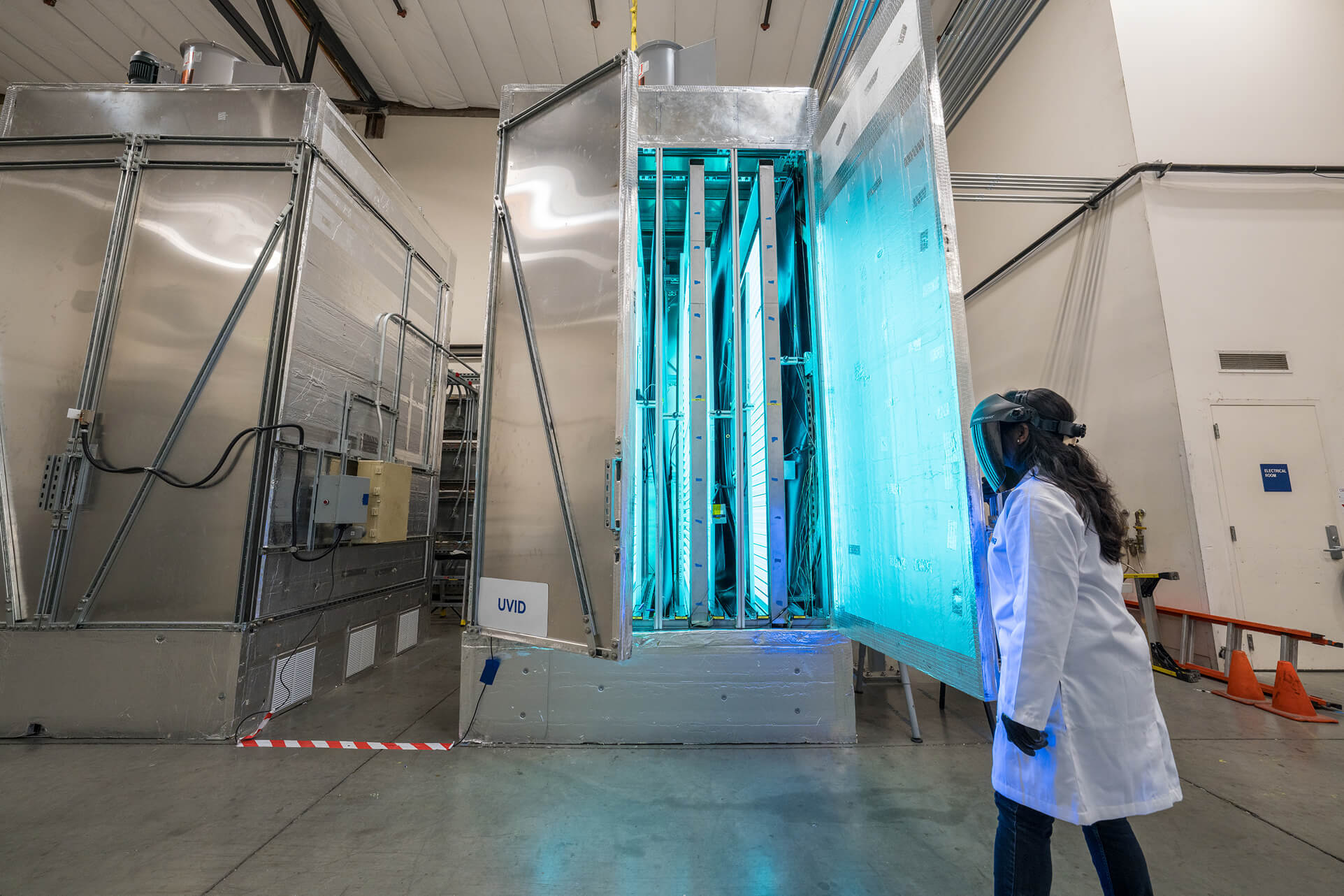
Kiwa PVEL’s Ultraviolet Induced Degradation (UVID) test goes beyond standard IEC/UL certification to identify modules that are susceptible to this degradation mechanism. HJT and TOPCon modules are advertised to have improved first year and annual degradation rates, but examples of both (in addition to PERC) have shown significant UV-induced power loss. While the test duration is not necessarily sufficient to reach the maximum amount of degradation resulting from UVID, this test is able to distinguish between UVID-susceptible and UV-stable modules.
Key Takeaways
N-type is More Susceptible
UVID power loss is higher in n-type modules than p-type modules.After testing more than 80 BOMs, the median power degradation was 3.1% and 4.2% for TOPCon and HJT BOMs respectively. PERC BOMs showed relatively lower degradation, with a median power loss of 2.2%. Different UVID failure mechanisms have been observed concurrently in different cell types. See the Power Degradation graph below for more.
Dark Storage Metastability
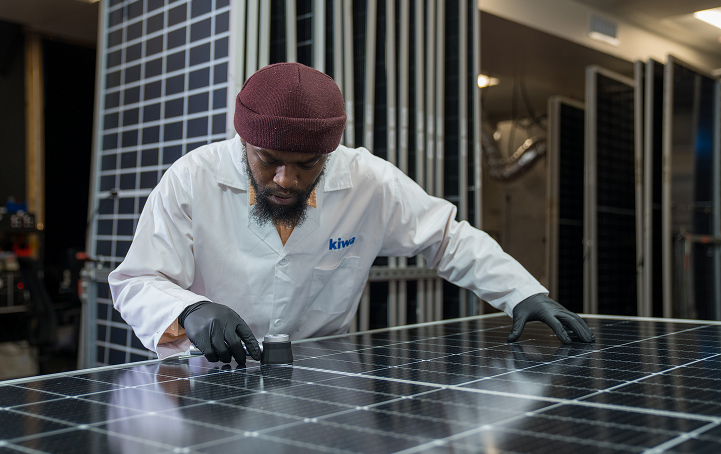
Dark storage degradation observed in some TOPCon and HJT modules after UVID and field exposure.This effect was most severe in UVID-sensitive TOPCon modules, at rates up to 1% power loss per day. While characterizations occur within 48 hours of UV exposure to minimize the extent, because of this issue UVID is not a Top Performer category this year but is likely to be included in the 2026 Scorecard. See the Test Result Spotlight section below for more.
Encapsulant Choice Matters
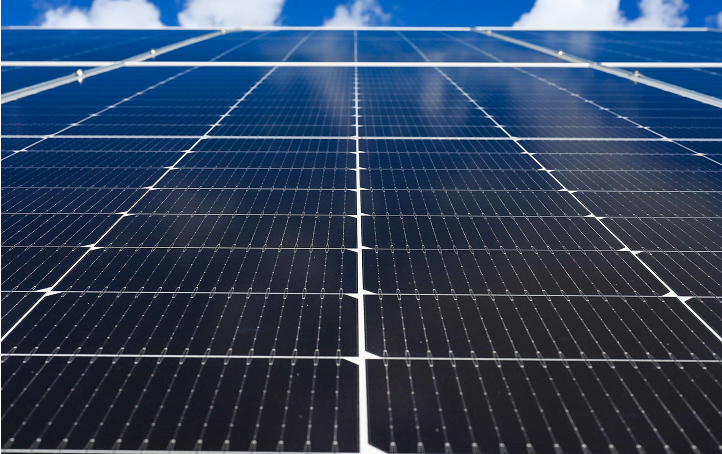
Encapsulant additives and UV cut-off wavelength are critical parameters.UV-induced degradation is more pronounced in modules with UV-transparent front encapsulants that have a cut-off wavelength below 340 nm. UV-blocking front encapsulants or light down-conversion encapsulation additives resulted in lower power degradation following UV testing.
Field Reliability Challenge
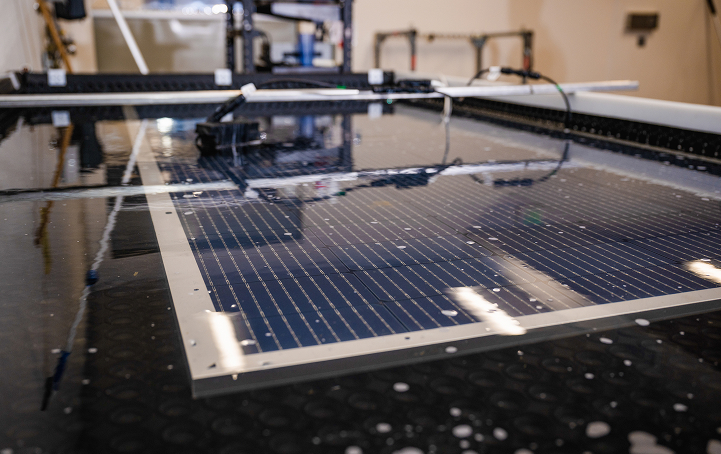
Outdoor exposure reveals some TOPCon and HJT BOMs are UVID-susceptible.The PQP’s optional Field Exposure test has identified some BOMs with significant degradation (median: 2%, maximum: 8%) following one year of deployment in Davis, CA. This has been mainly attributed to UVID since the combined power loss from these BOMs following LID and LETID is less than 1% and the EL images show a distinct checkerboard pattern.
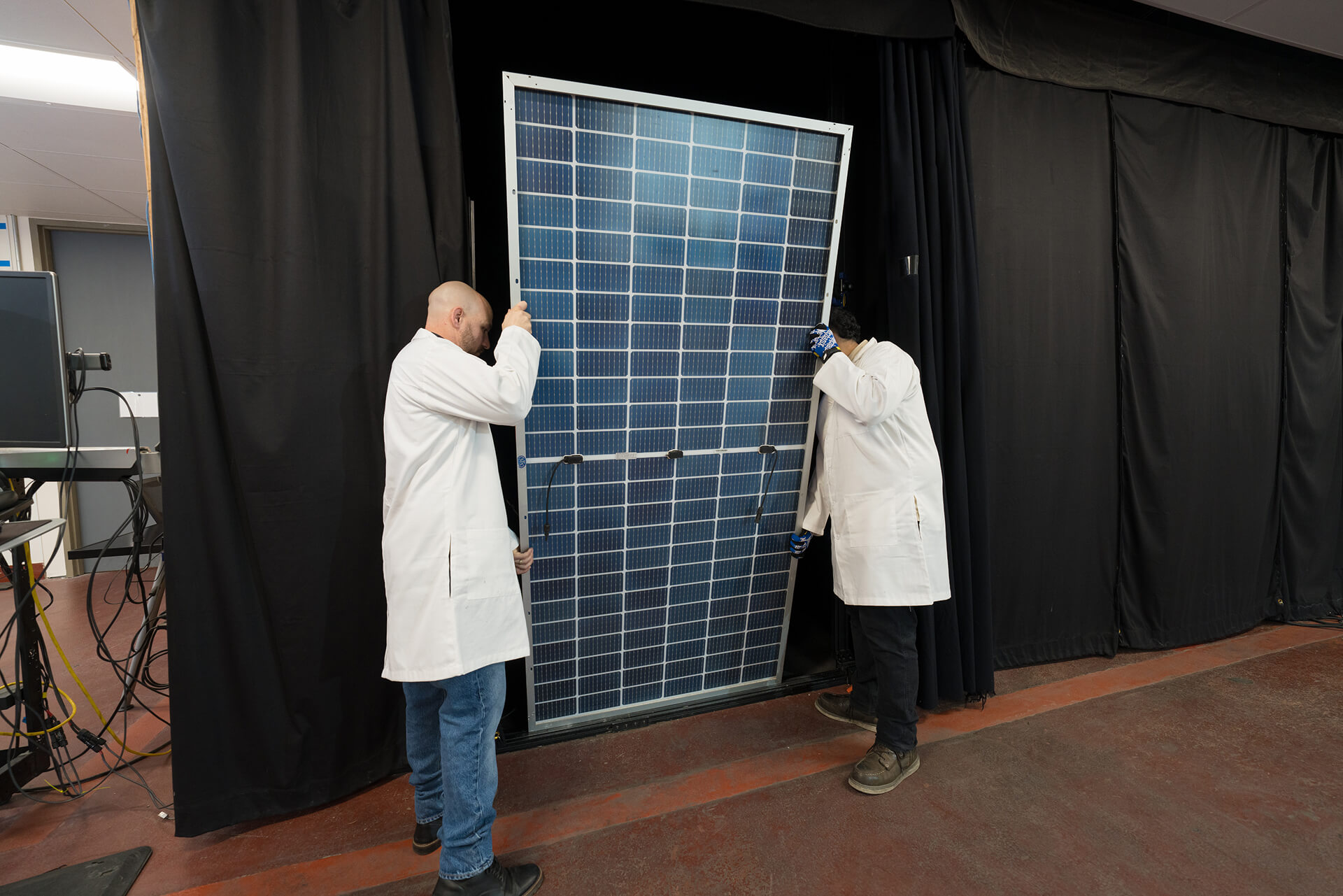
UVID Test Result
Spotlight
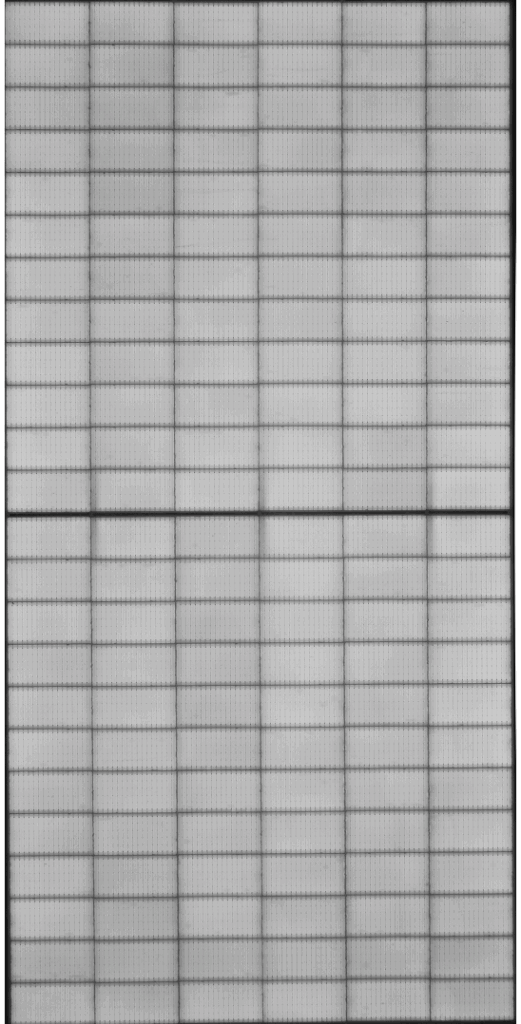
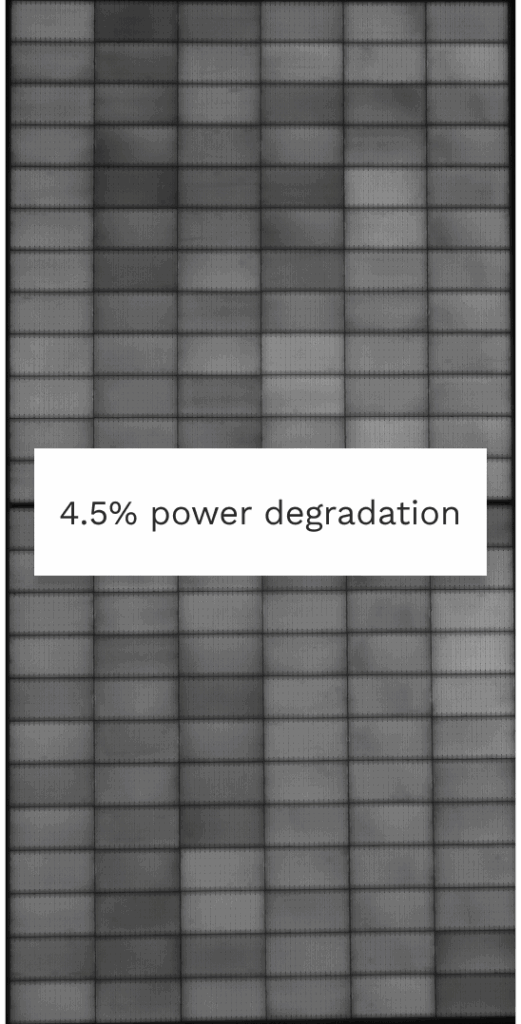
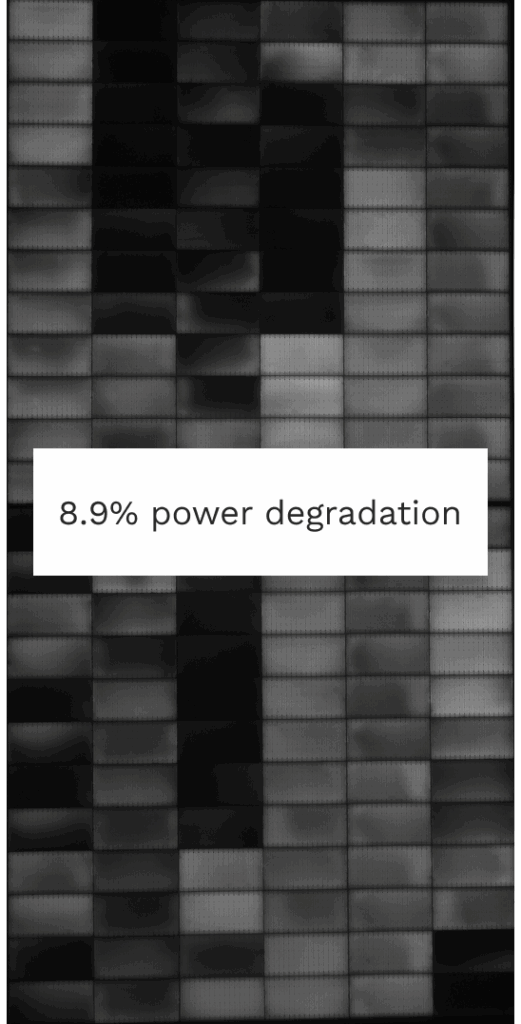
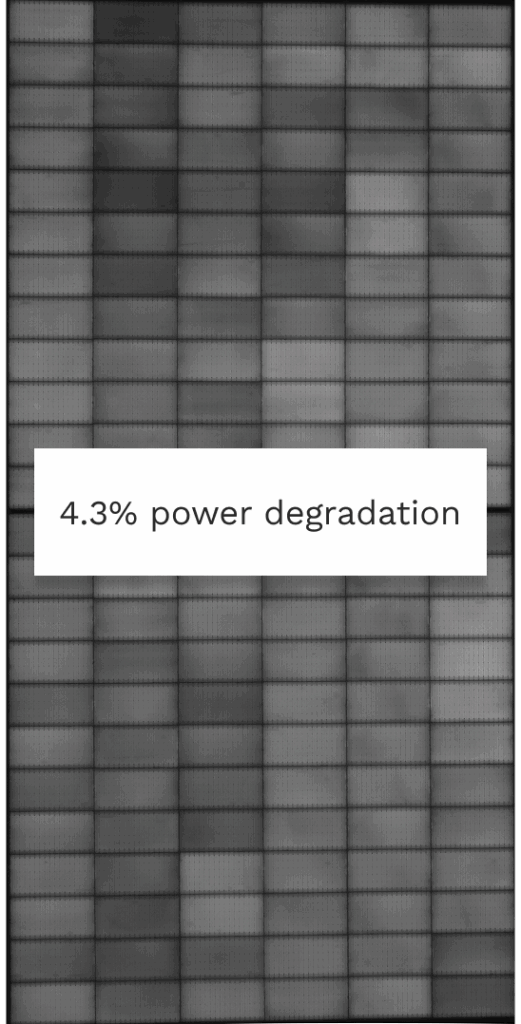
Kiwa PVEL has recently observed the signs of metastability in some UVID-stressed and field-exposed modules where significant power loss occurred when the modules were stored in the dark after the test’s conclusion. An example of that is shown below, where the module degraded to 4.5% following 120 kWh/m² of UV exposure, but this degradation almost doubled after this when the module was in dark storage for 31 days. A partial recovery of the degradation was obtained by subjecting the module to a short full-spectrum light soak for 0.1 kWh/m² under open-circuit conditions, but the degradation remained at >4%, signifying a clear susceptibility to UVID.
Initial
UVID120
Dark Storage
Light Soak
UVID
Power Degradation
UVID is more pronounced in TOPCon and HJT modules compared to PERC, as shown in the graph below. Both TOPCon and HJT show a broad range of UVID susceptibility, suggesting variability in bill of materials, cell process non-uniformities and cell design, with both high- and low-performing configurations present. Notably, the majority of TOPCon modules experienced power losses exceeding 3% after 120 kWh/m² of UV exposure, which approximates one year of outdoor exposure. This degradation is likely driven by a combination of UV-transparent encapsulants and thinner anti-reflective coatings on cells. Encouragingly, more recent UVID test results are starting to show improved performance, indicating that manufacturers are actively progressing toward better UV stability in module designs.
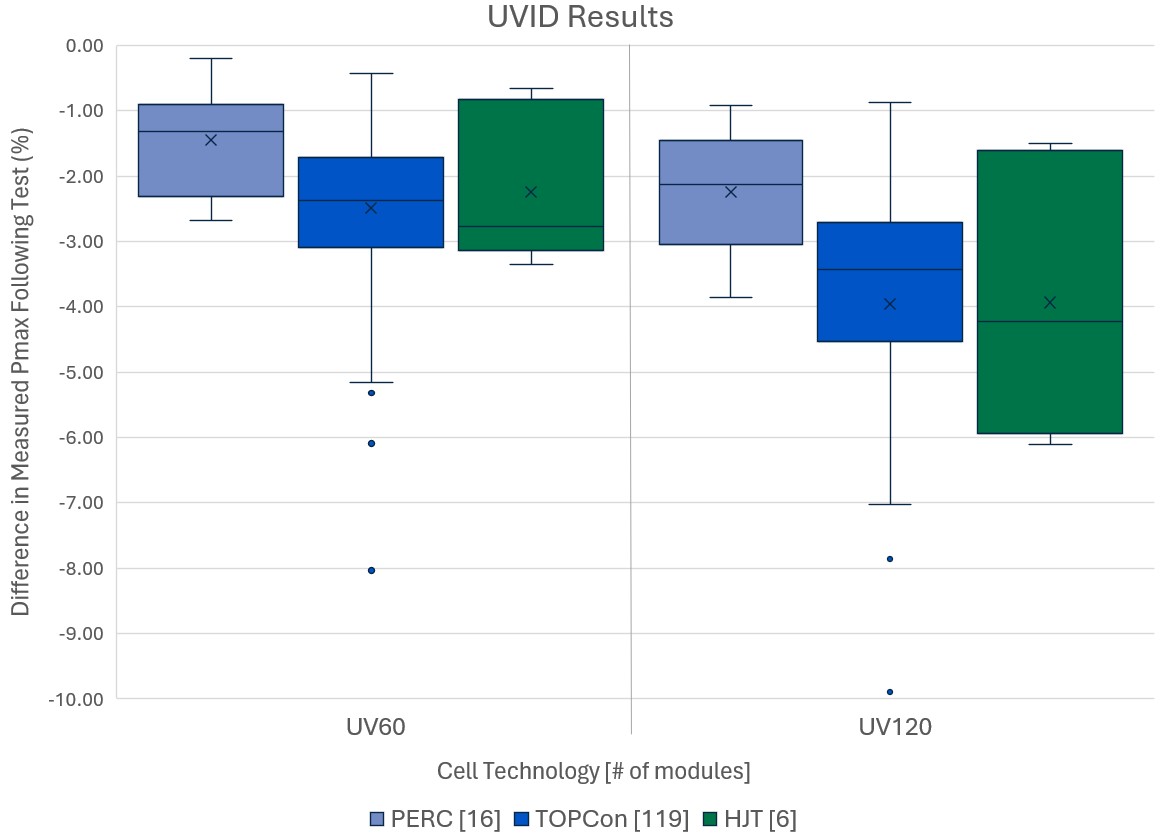
Outliers with >10% degradation are not shown. In some cases, these cause a significant reduction in the mean.

Kiwa PVEL Premium Partners receive more detailed Scorecard data every quarter, sent right to their inbox. Sign up as a Kiwa PVEL Premium Partner
Join Now Continue Exploring the 2025 Scorecard
Next Page