
Methodology
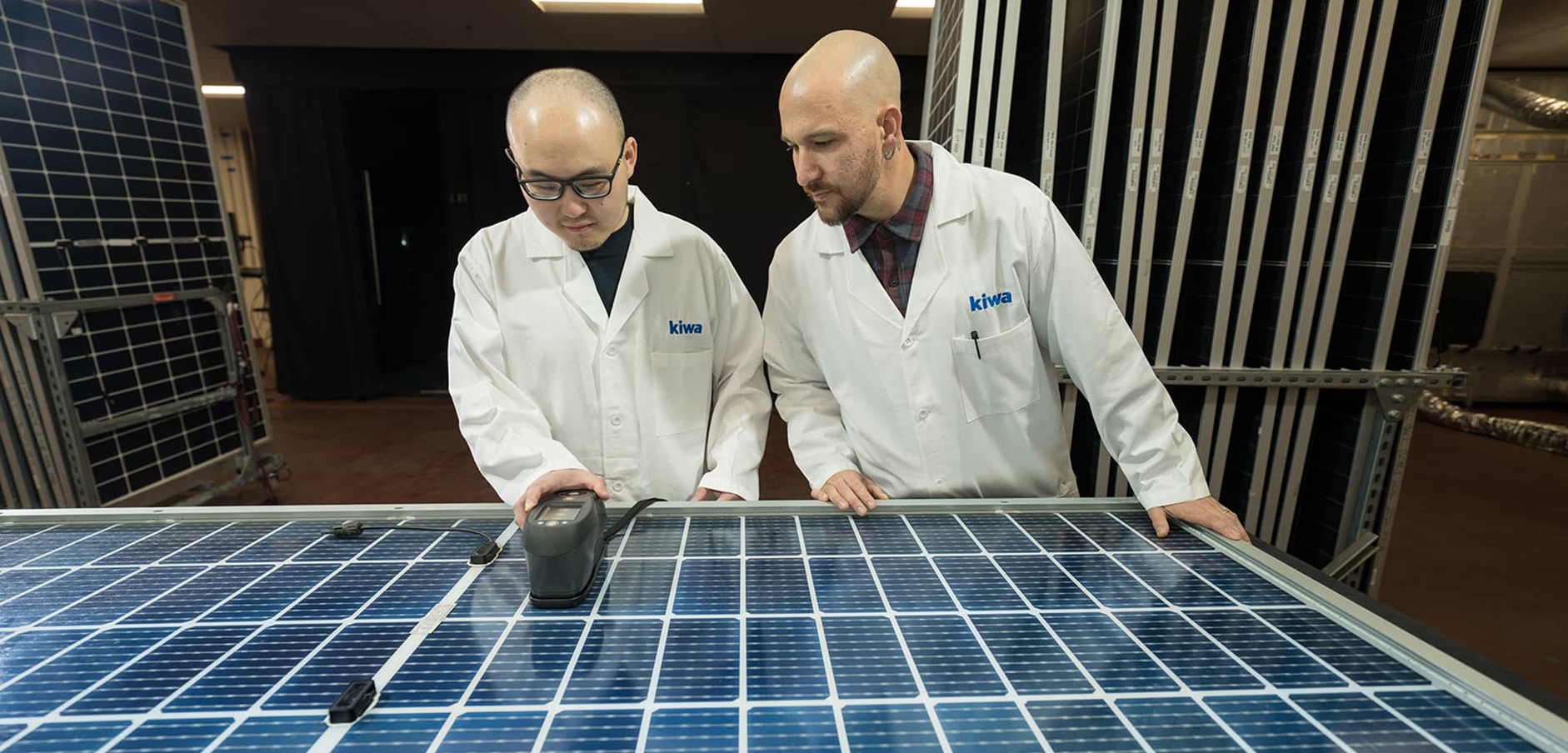
Since 2012, Kiwa PVEL’s Product Qualification Program has focused on benchmarking PV module reliability and performance. Our PQP reports and results support informed solar procurement and investment decisions. Discover more about PV module components, our testing methods and scoring of PV modules.
Go Inside a PV Module
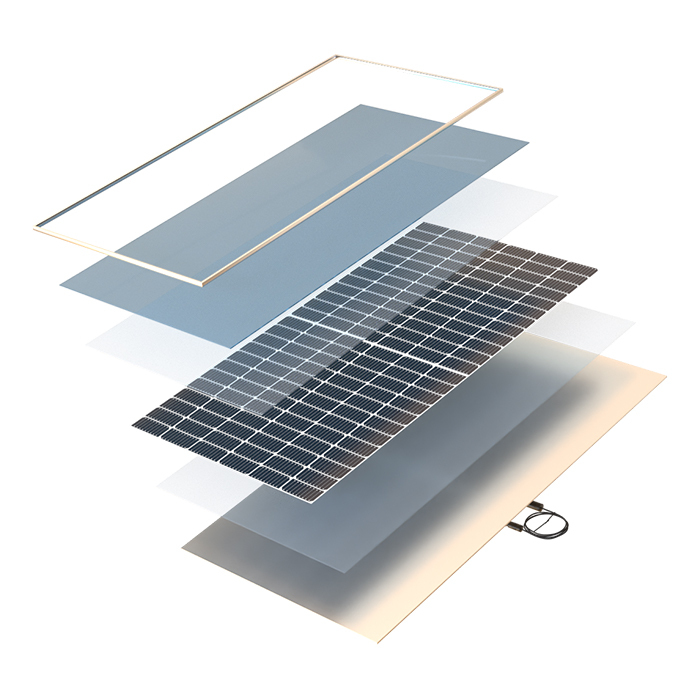
Top Performers are listed in the Scorecard by model type with a unique bill of materials (BOM) designator that represents the specific BOM combination that Kiwa PVEL has tested in our PQP. Scroll to explore the materials of a PV module and click on labels to see how many types of each component were used in the BOMs tested for the 2025 Scorecard.
The Importance of PQP Testing
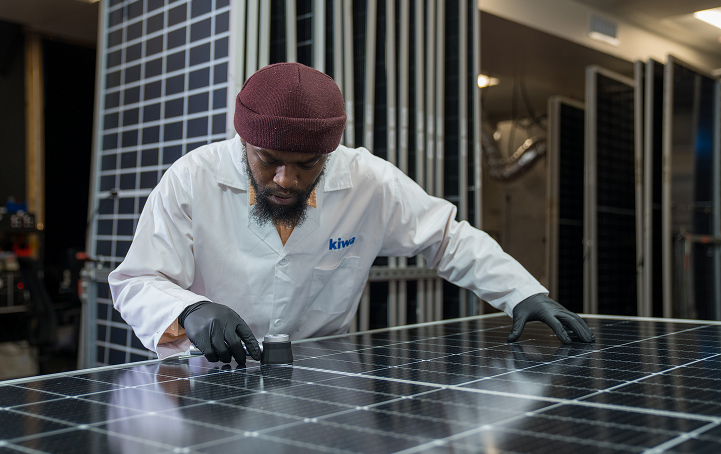
Changes in PV module designs and components can have big impacts to reliability and performance, and the industry’s certification tests are typically not rigorous enough to identify these potential issues. Module warranties often have shortcomings that leave site owners exposed to significant financial losses. Kiwa PVEL’s PV Module PQP is a comprehensive protocol of tests focused on addressing these concerns and helping module buyers achieve better procurement.
Four principles have guided the PQP since it was launched in 2012: the importance of using empirical data instead of assumptions; using standard processes for benchmarking across products; third-party witnessing of the PQP sample production to remove hand-picked, golden samples; and updating the PQP test plan regularly to keep it relevant to current module technology and manufacturing processes.
Visit kiwa.com/pvel/pqp/methodology to read more on these topics and see the PQP test chart.
How BOMs are
Scored
To be eligible for the 2025 Scorecard, manufacturers must have:
- Completed the PQP sample production factory witness after October 1, 2023, and, for each BOM shown, have at least one new Top Performer-achieving result that was not included in the 2024 Scorecard.
- Submitted at least two factory-witnessed PV module samples to all PQP reliability tests, as per Kiwa PVEL's BOM test requirements.

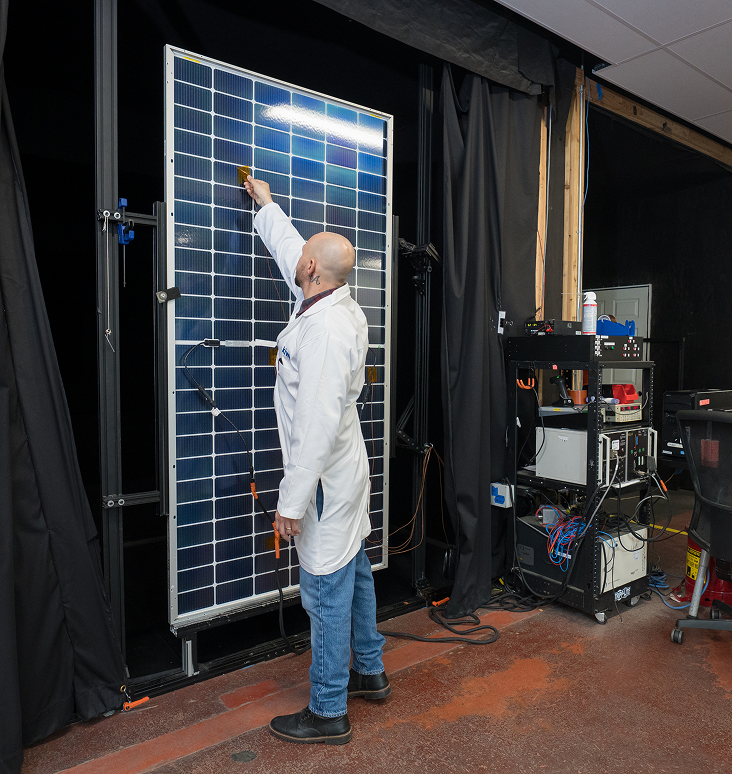
The 2025 PV Module Reliability Scorecard lists Top Performers for seven PQP test categories. To be listed as a Top Performer in a particular test, the modules must not have experienced a wet leakage failure, a 'major' defect during visual inspection or a diode failure during that particular test.

Top Performers for TC, DH, MSS and PID must have <2% power degradation. For MSS, the mounting used during mechanical load testing is shown in the Top Performer list. For PID, the BOM must have < 2% power degradation in PID(+) and PID(-).
Top Performers for HSS must not have experienced glass breakage during hail testing using 40 mm hail or larger. The actual hail size is shown in the Top Performer list, as well as the BOM glass thickness.
Top Performers for LID + LETID must have < 1% power degradation when combining the LID and LETID test results.
Kiwa PVEL Premium Partners receive more detailed Scorecard data every quarter, sent right to their inbox. Sign up as a Kiwa PVEL Premium Partner
Join Now
Continue Exploring the 2025 Scorecard
Next Page